
Introduction
Three of the ancient world’s most extraordinary sites sit within a 30-kilometre radius of Naples. Most visitors spread them across three separate days — or, more often, skip two of them entirely in favour of a rushed morning at Pompeii.
That’s a genuine shame, because the full picture is so much richer than any single site can offer. Pompeii shows you the city frozen in time. Herculaneum shows you what that city looked like in extraordinary detail. And Mount Vesuvius? It puts both of them into terrifying perspective.
Can you do all three in one day? Absolutely — but only with the right sequence, the right tickets, and a clear-eyed understanding of where the time actually goes. This guide gives you all of that.
Why This Combination Is Worth the Effort
These three sites don’t just share a postcode. They share a story.
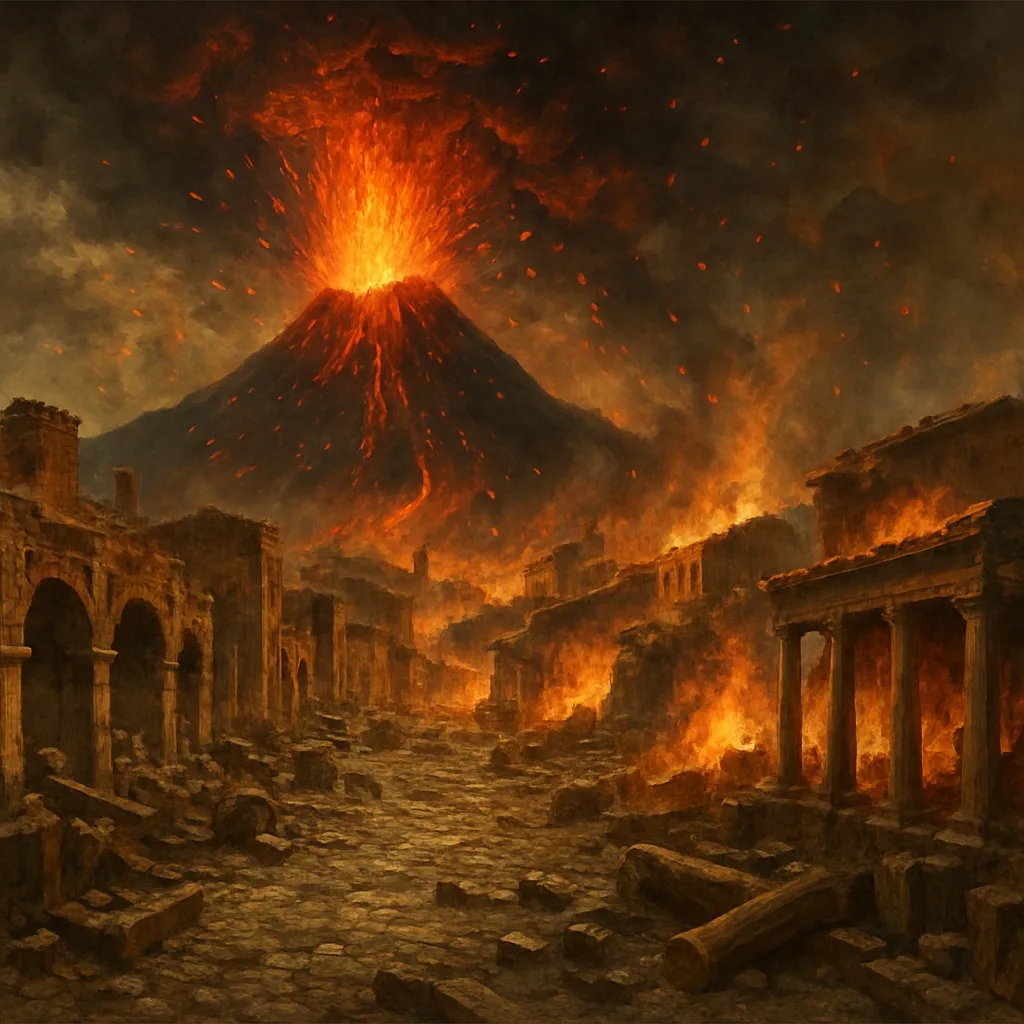
On 24 August 79 AD, the eruption of Mount Vesuvius buried both Pompeii and Herculaneum under metres of volcanic material, preserving them — accidentally, catastrophically — for nearly two thousand years. Visiting the volcano that caused the destruction, and then descending to walk through the streets of its victims, creates a kind of understanding that no museum or documentary can replicate.
Herculaneum is often overlooked precisely because Pompeii sits so close and so large beside it. But Herculaneum was preserved differently — under a deep surge of volcanic mud rather than ash — which means its upper floors, wooden furniture, food remnants, and organic materials survived in ways Pompeii’s simply didn’t. The two sites are not duplicates of each other. They’re complements.
And the crater at the summit of Vesuvius, peering down into the cone that ended two entire cities, is one of the most quietly overwhelming experiences in Italy.
The Honest Truth About Timing
Here’s what nobody tells you upfront: this itinerary is ambitious. Not impossible — genuinely doable — but it requires you to treat the day as a structured experience rather than a leisurely wander.
You will not spend three hours at Pompeii. If you try to, you’ll either miss Herculaneum or spend the last bus up Vesuvius in a panicked sprint. The good news is that one focused, well-guided hour at Pompeii — covering the Forum, the plaster casts, the baths, and the Thermopolium — can deliver more genuine understanding than a self-guided four-hour roam.
The same principle applies to Herculaneum: a 90-minute focused visit with a guide covers the essential streets, the boat houses, and the extraordinary House of the Wooden Partition in a way that sticks.
Vesuvius is the most time-fixed element of the day. The shuttle buses up to the crater parking area run on a schedule, and the 30-minute walk to the rim is non-negotiable — but it’s also the part visitors remember longest.
Budget the day at roughly four to five hours of total on-site time, plus travel.
The Recommended Itinerary — Step by Step
8:00 AM — Start at Herculaneum (Not Pompeii)
This is the counterintuitive move that makes the whole day work.
Most visitors default to starting at Pompeii — it’s bigger, more famous, and easier to justify as the “main event.” But starting at Herculaneum gives you the smaller, more intimate site while your energy is highest, and it avoids the mid-morning crowds that build quickly at Herculaneum’s compact entrance.
The Herculaneum Archaeological Park opens at 9:00 AM, but arriving early and queueing ensures you’re among the first inside. Book your Herculaneum entry ticket online in advance — timed entry is in effect, and the daily visitor cap fills quickly in summer.
A 90-minute visit covers the essential highlights: the ancient shoreline and boathouses where hundreds of victims sheltered, the House of the Bicentenary, the House of the Wooden Partition with its original carbonised wood, and the remarkably preserved mosaics throughout. If you’ve pre-booked a licensed archaeologist-led guided tour, this is where it pays off most — Herculaneum’s layout is compact but dense, and a guide transforms what could feel like a maze of stone into a comprehensible Roman town.
10:30 AM — Mount Vesuvius
From Herculaneum, Vesuvius is a 20-minute drive or a bus connection to the summit car park at approximately 1,000 metres elevation. From there, a clearly marked path winds upward for about 30 minutes to the crater rim at 1,281 metres.
The views across the Bay of Naples, with Pompeii visibly spread below and Naples stretched along the coast, are extraordinary on a clear day. The crater itself — roughly 500 metres wide and 300 metres deep — is a stark, sulphur-tinged reminder of exactly what happened in 79 AD.
Allow around 90 minutes total for the Vesuvius summit experience: travel up, the ascent, time at the rim, and the descent. Vesuvius entry tickets should be booked online in advance; the standard crater access fee is separate from Pompeii’s ticketing system.
Important note: the summit path at Vesuvius can be cold and windy even in summer. Bring a layer regardless of the temperature at sea level.
12:30 PM — Lunch Break in the Valley
By the time you descend from Vesuvius, you’ll have been moving for over four hours. A proper 45-minute lunch break — either in Ercolano town (the modern settlement above Herculaneum) or at one of the cafe stops near the Pompeii entrances — is not optional if you want the afternoon to go well. This is Italy: the food is good, and a sit-down moment resets the day.
1:30 PM — Pompeii Archaeological Park
The afternoon slot at Pompeii is deliberate. By 1:30 PM, the large tour groups that arrived on morning coaches are dispersing or heading to lunch, and the site — though still busy — becomes slightly more navigable.
Pre-book your timed entry Pompeii ticket online for a 1:30 or 2:00 PM slot. Pompeii’s daily cap of 20,000 visitors is genuine, and in peak season from April through August, that ceiling can be reached by mid-morning. Booking ahead is non-negotiable.
With two hours at Pompeii — guided is strongly recommended — you can cover the Forum and the Basilica, the Lupanar, the House of the Faun, the plaster casts at the Garden of the Fugitives, the bakery on Via dell’Abbondanza, and the Thermopolium of Restitutus. A small-group guided tour with a licensed archaeologist-guide ensures you understand what you’re looking at, and keeps the pace tight enough to fit this itinerary without feeling rushed.
The Pompeii Express (standard single entry) is the right ticket here. You don’t need the MyPompeii Card for a single-day visit — keep your budget for a quality guide instead.
3:30 PM — Exit and Transfer
By 3:30 to 4:00 PM, you’re exiting Pompeii with daylight to spare, time for a coffee, and a clear route back to Naples, Sorrento, or wherever you’re based. The Circumvesuviana railway runs regularly from Pompeii Scavi station and connects directly to both Sorrento and Naples Centrale — typically a 30-minute journey in either direction.
Tickets and Booking — What You Need for Each Site
Pompeii Archaeological Park
- Pompeii Express (single entry): €18 full price; €2 reduced
- Book online at the official Pompeii Tickets portal
- Timed entry; arrive within the 15-minute window of your slot
- Free on the first Sunday of each month
Herculaneum Archaeological Park
- Single entry: €13 full price (separate from Pompeii; no combined ticket currently available)
- Timed entry is in effect; book online in advance
- Note: the ARTECARD Campania pass covers both Pompeii and Herculaneum for visitors doing multiple regional sites
Mount Vesuvius Crater Access
- Crater entry: approximately €15; shuttle buses from the lower car park are an additional cost
- No advance booking required at most times of year, but tour operators offering guided Vesuvius experiences (with transport from Naples or Pompeii) provide better logistics than managing transfers independently
Guided Tours
A single archaeologist-led guided tour covering Pompeii — or a combined Pompeii and Herculaneum experience on separate days — is the most transformative investment you can make. Skip-the-line guided tours also bypass standard queue management at the main entrance gates.
Getting There — Day Trip Logistics
From Naples
Pompeii and Herculaneum are both on the Circumvesuviana railway line from Naples Centrale. Ercolano Scavi station (Herculaneum) is approximately 20 minutes from Naples; Pompeii Scavi–Villa dei Misteri station is around 40 minutes. Trains run frequently throughout the day.
For Mount Vesuvius, EAV buses run from Ercolano Scavi station to the lower parking area (Quota 1000), from where shuttle buses continue upward. The bus from Herculaneum to Vesuvius takes around 30–40 minutes depending on traffic.
From Sorrento
The Circumvesuviana runs directly to both Pompeii and Ercolano from Sorrento. A day trip from Sorrento covering all three sites is entirely feasible — Sorrento to Pompeii is around 30 minutes, making it one of the most popular bases for visitors to the entire region.
From Rome
A day trip from Rome is possible but long. The high-speed train from Roma Termini to Naples Centrale runs in approximately 70 minutes; from there, the Circumvesuviana connects to both sites.
Conclusion
Pompeii, Vesuvius, and Herculaneum in one day is not a compromise itinerary — it’s one of the most powerful ways to experience the ancient world if you approach it with intent.
The key is sequence: Herculaneum first while you’re fresh, Vesuvius mid-morning while the shuttle buses are running, and Pompeii in the afternoon with a sharp, guided focus on what matters most. Done right, you’ll finish the day with a layered understanding of 79 AD that no single site could have given you.
Plan ahead, book your Pompeii tickets and Herculaneum tickets online, secure a licensed archaeologist-led guided tour for at least one of the two ancient cities, and give yourself the afternoon at Pompeii that this extraordinary site deserves.
The volcano is still there. The streets are still there. Go and see them both.